

Signs of aging and sensitive skin: 5 steps for a suitable routine
- Sensitive Skin and Signs of Aging: Understanding the Fundamentals for Lasting Skin
- The Biological Basis of Sensitive Skin and the First Signs of Aging: Deciphering the Mechanisms
- Building a Personalized Skincare Ritual: Essential Actives for Sensitive Skin and Signs of Aging
- Practical Application: Integrating Adapted Care into Your Daily Routine
- Optimizing Prevention and Treatments: Advanced Strategies for Radiant Skin
- The Future of Sensitive and Anti-Aging Skincare: Trends and Innovations
Sensitive Skin and Signs of Aging: Understanding the Fundamentals for Lasting Skin
Sensitive skin and the signs of aging are common concerns, often intertwined. Understanding their fundamental mechanisms is essential to developing an effective and adapted skincare routine. Sensitive skin is characterized by heightened reactivity to external aggressors, such as temperature changes, chemicals, and environmental factors. This sensitivity can manifest as redness, itching, irritation, and burning sensations. It is often linked to a weakened skin barrier, which becomes less effective at protecting the skin.
The signs of skin aging, on the other hand, are the result of a complex interplay of factors, including decreased collagen and elastin production, skin sagging, loss of hydration, and the accumulation of damage caused by free radicals. These changes are natural and progressive, but their appearance can be accelerated by sun exposure, smoking, and stress.
It is important to note that sensitive skin and signs of aging can coexist. Skin that is naturally more reactive may be more vulnerable to the effects of time. Therefore, a comprehensive and gentle approach to skincare is necessary.
Causes of sensitive skin
Several factors can contribute to skin sensitivity:
- Genetics: A family predisposition to sensitive skin is often observed.
- Environmental factors: Exposure to sun, wind, pollution, and temperature variations can irritate the skin.
- Harsh skincare products: Certain ingredients, such as fragrances, dyes, preservatives, and strong exfoliating acids, can irritate sensitive skin.
- Medical conditions: Conditions such as eczema, psoriasis, and rosacea can lead to sensitive skin.
- Stress and diet: Stress and certain foods can also influence skin sensitivity.
Common signs of aging
The signs of aging manifest in different ways:
- Wrinkles and fine lines: The loss of collagen and elastin leads to the formation of wrinkles and fine lines, particularly around the eyes, mouth, and forehead.
- Loss of elasticity: The skin becomes less supple and less able to return to its original shape.
- Pigment spots: Sun exposure can cause the appearance of brown spots, also known as solar hyperpigmentation.
- Dryness: Sebum production decreases with age, leading to drier and rougher skin.
- Skin sagging: The skin loses its firmness and can become looser.
Building a tailored skincare routine
A skincare routine adapted for sensitive skin and signs of aging must be gentle, moisturizing, and protective. Here are some key steps:
- Gentle cleansing: Use a gentle, soap-free, fragrance-free, and hypoallergenic cleanser. Avoid harsh cleansers that can damage the skin barrier. A water-based or oil-based cleanser may be more appropriate.
- Hydration: Hydration is essential for all skin types, but especially for sensitive and aging skin. Opt for a moisturizer rich in soothing and repairing ingredients, such as hyaluronic acid, ceramide, and glycerin.
- Sun protection: Daily use of a broad-spectrum sunscreen (UVA and UVB protective) with an SPF of at least 30 is crucial to prevent sun damage and slow the signs of aging. Choose a formula suitable for sensitive skin, without fragrance and irritating ingredients.
- Specific treatments: Consider specific treatments to target signs of aging, such as vitamin C serums (antioxidant) or low-concentration retinoids (to stimulate collagen production). Introduce them gradually to avoid irritation.
- Gentle exfoliation: Gentle exfoliation, once or twice a week, can help remove dead skin cells and improve skin texture. Prefer gentle chemical exfoliants, such as lactic or mandelic acid, rather than abrasive mechanical exfoliants.
New products should be introduced into your skincare routine gradually, carefully observing your skin's reaction. By listening to your skin's needs and adopting a gentle and respectful approach, it is possible to significantly improve your skin's appearance and maintain its long-term health.
The Biological Basis of Sensitive Skin and the First Signs of Aging: Deciphering the Mechanisms
Sensitive skin and the first signs of aging are not isolated phenomena, but rather complex manifestations of intrinsic biological processes. Understanding these fundamental mechanisms is crucial for developing an effective and adapted skincare routine. Sensitive skin is characterized by heightened reactivity to external aggressors, while skin aging is a natural consequence of time, influenced by internal and external factors.
Skin Structure: An Overview
To grasp the mechanisms at play, it is essential to understand the structure of the skin. It consists of three main layers: the epidermis, the dermis, and the hypodermis. The epidermis, the superficial layer, is a protective barrier composed of cells called keratinocytes. These cells are constantly renewed, and their primary function is to maintain hydration and protect against pathogens and UV rays. The dermis, a thicker intermediate layer, contains blood vessels, nerves, and hair follicles. It plays an essential role in supplying nutrients to the epidermis and regulating body temperature. The hypodermis, the deepest layer, is primarily composed of adipose tissue that provides thermal insulation and stores energy reserves.
Why Does Skin Become Sensitive?
Several factors can make skin more sensitive. A weakening of the skin barrier is often the cause. This barrier is composed of lipids and proteins that prevent water loss and the entry of irritating substances. Genetic factors, environmental aggressors (pollution, sun), hormonal changes, and the use of certain cosmetic products can alter this barrier, leading to increased sensitivity. For example, unscented products, formulated with fragrances and dyes, are frequently cited as triggers for skin reactions in people with sensitive skin. Furthermore, oxidative stress, caused by an imbalance between the production of free radicals and the body's ability to neutralize them, can damage skin cells and weaken the barrier.
The First Signs of Aging: A Complex Process
Skin aging is a multifactorial process influenced by intrinsic (genetic, hormonal) and extrinsic factors (sun exposure, smoking, pollution). The activity of fibroblasts, cells responsible for producing collagen and elastin, decreases with age. Collagen gives skin its firmness and resistance, while elastin provides its elasticity. A decrease in these proteins leads to the appearance of wrinkles, fine lines, and skin sagging. According to dermatological studies, collagen production decreases by approximately 15% per decade after the age of 30.
Chronic UV exposure is a major factor in photoaging. UV rays damage collagen and elastin, thereby accelerating the aging process. They also promote the production of free radicals, contributing to oxidative stress. This damage can manifest as pigment spots, loss of radiance, and uneven skin texture. Glycation, a chemical reaction between sugars and skin proteins, is also involved in skin aging. This process forms advanced glycation end-products (AGEs) that damage collagen and elastin, thus reducing the skin's elasticity and firmness.
Interconnection Between Sensitive Skin and Aging
It is important to note that sensitive skin and skin aging are often linked. Fragile skin is more vulnerable to external aggressors that accelerate aging. For example, an impaired skin barrier can lead to increased moisture loss, making the skin drier and more prone to developing fine lines. Furthermore, sensitive skin can react more intensely to anti-aging products, sometimes leading to irritation or redness.
Understanding these biological mechanisms allows for the design of adapted skincare, prioritizing soothing, moisturizing, and antioxidant ingredients to strengthen the skin barrier and protect against environmental aggressors. A holistic approach, combining an adapted skincare routine and healthy lifestyle habits, is essential to maintain healthy and balanced skin at any age.
Building a Personalized Skincare Ritual: Essential Actives for Sensitive Skin and Signs of Aging
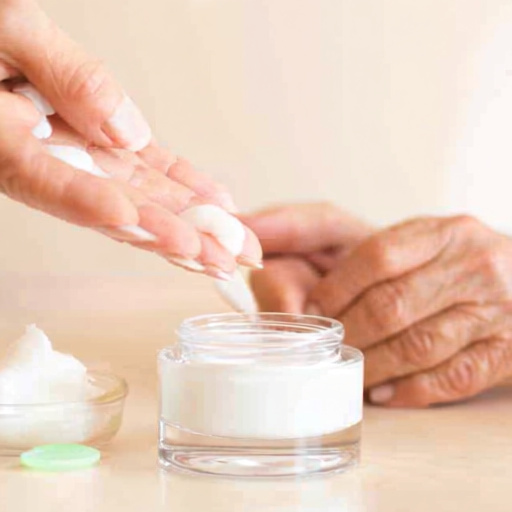
Sensitive skin and signs of aging present distinct, yet often interconnected, challenges. A personalized skincare ritual is key to addressing these specific needs, promoting both protection and revitalization. By understanding one's skin characteristics and selecting appropriate active ingredients, one can create an effective and gentle routine.
Understanding Sensitive Skin and Signs of Aging
Sensitive skin often manifests with reactions such as redness, itching, or irritation to certain products. It is frequently characterized by a weakened skin barrier, making it more vulnerable to external aggressors. Signs of aging, on the other hand, appear over time and can include fine lines, wrinkles, loss of firmness, and discoloration. These changes are influenced by genetic factors, environmental factors, and the natural process of cellular aging. It is important to note that skin can exhibit both sensitivity and signs of aging, requiring a delicate and targeted approach.
Essential Actives for Sensitive Skin
When choosing products for sensitive skin, gentleness and respect for skin balance are paramount. Here are some active ingredients to favor:
- Panthenol (Provitamin B5): Known for its soothing and repairing properties, provitamin B5 helps strengthen the skin barrier and reduce feelings of discomfort. It is particularly useful for calming irritation and redness.
- Aloe Vera Serum: Aloe vera is a natural ingredient renowned for its hydrating, anti-inflammatory, and healing properties. It soothes irritated skin and promotes cell regeneration.
- Hyaluronic Acid: This powerful humectant attracts and retains water in the skin, providing intense and lasting hydration. Hyaluronic acid helps maintain skin elasticity and reduce the appearance of fine lines.
- Centella Asiatica (Cica): This plant is known for its healing and soothing properties. It promotes skin repair and helps reduce inflammation, making it an excellent ally for sensitive and irritated skin.
- Niacinamide (Vitamin B3): Niacinamide strengthens the skin barrier, reduces redness, and improves skin radiance. It can also help minimize the appearance of pores and wrinkles.
Actives to Combat Signs of Aging (with Caution)
While some active ingredients are beneficial for combating the signs of aging, their use on sensitive skin must be gradual and cautious.
- Vitamin C: A powerful antioxidant that protects the skin from free radicals and stimulates collagen production. Choose stabilized forms and low concentrations to avoid irritation.
- Peptides: These amino acid chains help stimulate collagen and elastin production, thereby improving skin firmness and elasticity.
- Retinol (in Moderation): Retinol is a vitamin A derivative effective in reducing wrinkles and improving skin texture. However, it is potentially irritating, so it is advisable to start with very low concentrations and use it in the evening, following the recommendations of a dermatologist.
- Alpha-Hydroxy Acids (AHAs) and Beta-Hydroxy Acids (BHAs): These exfoliating acids help remove dead skin cells, thereby improving skin radiance and texture. They can be irritating, so it is important to use them sparingly and choose gentle concentrations.
Implementing Your Skincare Ritual
A skincare ritual for sensitive and mature skin should be simple, consistent, and adapted to the individual's specific needs.
- Gentle Cleansing: Use a gentle, soap-free, and fragrance-free cleanser to cleanse the skin morning and evening. Avoid harsh scrubs.
- Targeted Serum: Apply a serum containing specific active ingredients tailored to your concerns (hydration, anti-aging, soothing).
- Intense Hydration: Finish your routine with a moisturizer rich in nourishing and protective active ingredients. Look for ingredients like hyaluronic acid and panthenol.
- Daily Sun Protection: The application of a broad-spectrum sunscreen with an SPF of 30 or higher is essential to protect the skin from sun damage, which contributes to premature aging. Favor gentle formulas for sensitive skin.
- Additional Treatments (if necessary): You can incorporate a soothing mask once a week or a targeted product for wrinkle-prone areas.
It is important to gradually introduce new products into your routine to observe your skin's reaction. By carefully listening to your skin's signals and prioritizing gentle and respectful active ingredients, it is possible to build an effective skincare ritual that preserves skin sensitivity while combating the signs of aging.
Practical Application: Integrating Tailored Skincare into Your Daily Routine
Integrating skincare tailored for sensitive and aging skin into a daily routine should not be seen as a daunting task. Rather, it's a gradual adaptation, an understanding of one's specific skin needs, and a judicious selection of products and practices. Here are some concrete ways to achieve this.
1. Identify Your Skin's Specific Needs
Every skin is unique, and age-related changes and sensitivity can manifest differently. It's essential to take the time to observe your skin. Persistent redness, a feeling of tightness, frequent irritation, or the appearance of fine lines and wrinkles are all indicators. Mature skin often requires more intense hydration and nutrients to combat loss of elasticity. Sensitive skin, on the other hand, reacts easily to external aggressors and requires gentle, irritant-free formulas.
2. Choose the Right Products
Product selection is a crucial step. Opt for formulas specifically designed for sensitive skin, often labeled "dermatologically tested" or "hypoallergenic." Look for soothing ingredients like aloe vera, chamomile, or panthenol. For signs of aging, prioritize products containing antioxidants (vitamin C, vitamin E), peptides, and hyaluronic acids. It's important to avoid fragranced products, sulfates, and certain alcohols that can irritate the skin.
- Gentle cleansers: Look for soap-free, creamy, or foaming cleansers formulated for sensitive skin.
- Rich moisturizers: Moisturizing creams containing ceramides and lipids help strengthen the skin barrier.
- Adapted sunscreens: A broad-spectrum sunscreen with an SPF of at least 30 is essential to prevent sun damage, a major factor in skin aging. Choose mineral formulas (zinc oxide or titanium dioxide) if your skin is very sensitive.
- Targeted serums: Serums can provide a higher concentration of active ingredients to address specific concerns.
3. Adopt a Gentle Routine
How you apply your products is just as important as the products themselves. Avoid vigorously rubbing your skin during cleansing or product application. Use gentle, upward strokes. Water temperature is also a factor to consider: prefer lukewarm water to hot water, which can dry out the skin.
4. Integrate Complementary Treatments
Beyond the daily routine, certain complementary treatments can provide valuable support to your skin. Hydrating or soothing masks can be used once or twice a week. Gentle exfoliants, used in moderation (maximum once a week for sensitive skin), help remove dead skin cells and improve skin radiance.
5. Be Patient and Observant
It sometimes takes time to find the ideal routine. Be patient and attentive to your skin's reactions. If a product causes irritation, stop using it immediately. Don't hesitate to consult a dermatologist for personalized advice tailored to your skin type and specific concerns. A professional can help you identify ingredients to prioritize and avoid.
A 2023 study by Backlinko highlights the importance of a consistent skincare routine for visible results. While there is no universal magic formula, adopting a gentle, individualized, and regular approach is key to healthy, glowing skin at any age. The key lies in listening to your skin's signals and adjusting your routine accordingly.
Optimizing Prevention and Treatments: Advanced Strategies for Radiant Skin
Mature and sensitive skin presents unique challenges. As the signs of aging appear, skin sensitivity can amplify these concerns, necessitating a targeted and sophisticated approach to prevention and treatment. This section explores advanced strategies, integrating the latest scientific breakthroughs and best practices, to help individuals with mature and sensitive skin achieve a radiant and healthy complexion.
Understanding the Mechanisms of Skin Aging and Sensitivity
Skin aging is a complex process influenced by intrinsic (genetics, hormones) and extrinsic factors (sun exposure, pollution, stress). Structural changes include a decrease in collagen and elastin production, leading to a loss of firmness and elasticity. These modifications make the skin thinner, drier, and more susceptible to external aggressions. Simultaneously, sensitive skin is characterized by a weakened skin barrier, making it more reactive to irritants and allergens.
The combination of these two phenomena requires a multidimensional approach. It's not just about treating wrinkles but also about strengthening the skin barrier and reducing inflammation. It's crucial to understand that repair and prevention must coexist for lasting results. A key factor to consider is the role of free radicals, produced by UV exposure and air pollution, which damage skin cells.
Next-Generation Active Ingredients for Mature and Sensitive Skin
Several active ingredients stand out for their effectiveness and tolerability for mature and sensitive skin. Hyaluronic acid, for example, is a powerful humectant that deeply moisturizes the skin and helps reduce the appearance of fine lines. Choose light textures to avoid exacerbating sensitivity. Studies have shown that hyaluronic acid can retain up to 1000 times its weight in water, providing intense and prolonged hydration.
Antioxidants, such as vitamin C, vitamin E, and resveratrol, protect the skin from damage caused by free radicals. However, vitamin C can sometimes be irritating for sensitive skin. Opt for stabilized forms, such as tetrahydroxypyridin-2-carboxylate of vitamin C, or use it at a low concentration. Resveratrol, extracted from grapes, is a powerful antioxidant with anti-inflammatory properties, making it a valuable ally for sensitive skin.
Coquinoleic acid is another promising ingredient, recognized for its anti-aging and soothing properties. It helps reduce inflammation and improve skin texture, while stimulating collagen production. Retinoids, although effective in combating wrinkles, should be introduced gradually and used with caution by sensitive skin, under the supervision of a dermatologist. Low concentration formulations and creamy textures can minimize irritation.
Personalized Skincare Protocols for Mature and Sensitive Skin
An adapted skincare routine is essential. Here is a suggested protocol, adaptable according to individual needs:
- Gentle cleansing: Use a mild, soap-free, and hypoallergenic cleanser to remove impurities without damaging the skin barrier. Avoid high-pH cleansers that can be aggressive.
- Hydrating serum: Apply a serum containing hyaluronic acid or other moisturizing ingredients to penetrate deeply and maintain hydration.
- Targeted treatments: Use a product containing antioxidants to protect the skin from free radicals. If appropriate, incorporate a low-concentration retinoid, starting with infrequent application.
- Rich hydration: Finish your routine with a nourishing moisturizer, specifically formulated for mature and sensitive skin. Look for soothing ingredients like centella asiatica or panthenol.
- Daily sun protection: This is the most important step. A broad-spectrum sunscreen with an SPF of at least 30 should be applied every day, even on cloudy days. Opt for mineral formulas (zinc oxide and titanium dioxide) which are generally better tolerated by sensitive skin.
It is essential to test any new product on a small area of skin before applying it to the entire face to check for any reaction. A consultation with a dermatologist can help develop a personalized skincare plan, taking into account the specifics of the skin.
The Future of Sensitive and Anti-Aging Skincare: Trends and Innovations
The field of sensitive and anti-aging skincare is constantly evolving, driven by scientific advancements and an increased understanding of specific skin needs. The future promises to be rich in innovations, offering more personalized, effective, and environmentally friendly solutions. Consumers are increasingly seeking products that address both their skin sensitivity and the signs of aging, a challenge the industry is called upon to meet.
Personalization at the Heart of Skincare
One of the most striking trends is the personalization of skincare routines. Advances in big data and artificial intelligence allow for the analysis of unique skin characteristics – type of sensitivity, level of wrinkles, collagen production, etc. – to propose custom formulations. We are seeing the emergence of brands offering online or in-store skin analyses, and developing products adapted to individual needs. This approach moves away from universal solutions in favor of ultra-personalized protocols, increasing efficacy and minimizing the risk of unwanted skin reactions. This is a significant departure from traditional approaches, focused on generalized product lines.
Innovative Actives: Beyond the Classics
Innovation in active ingredients is a key driver of progress. While classic ingredients like hyaluronic acid and vitamin C remain essential, new promising molecules are regularly emerging. Research into peptides, for example, offers interesting prospects for stimulating collagen production and improving skin elasticity. Plant extracts, enriched with antioxidants and soothing compounds, are also gaining popularity. Molecules like niacinamide, known for its anti-inflammatory and regenerative properties, are increasingly integrated into anti-aging formulations for sensitive skin. We are also seeing the rise of topical probiotics, which help strengthen the skin barrier and improve skin resistance to external aggressions.
Technology for Efficacy
Technology plays an increasingly important role in the development and application of skincare. Connected beauty devices, such as facial massagers or ionization devices, aim to improve the absorption of active ingredients and stimulate microcirculation. Micro-encapsulations allow for the protection of active ingredients and their gradual release, optimizing their efficacy. Furthermore, advances in active ingredient delivery, such as liposomes, facilitate their penetration into the deeper layers of the skin, where they can act more effectively. It is important to note that the effectiveness of these technologies is often linked to the quality of the active ingredients used and the consistency of the skincare routine.
A Growing Concern for Sustainability
Environmental awareness also influences market trends. Consumers are increasingly concerned about the ecological impact of the products they use. Brands are moving towards more environmentally friendly formulations, using naturally derived ingredients and reducing plastic use. Recyclable or biodegradable packaging is a growing priority. Transparency regarding the origin of ingredients and production methods is also expected by consumers. This shift in mindset is pushing the industry to rethink the entire value chain, from research and development to distribution.
Research and Development: A Constant Investment
The future of sensitive and anti-aging skincare relies on continuous investment in research and development. In-depth studies on skin aging, sensitivity mechanisms, and ingredient efficacy allow for the development of increasingly powerful solutions. Collaboration between research laboratories, universities, and cosmetic companies is essential to accelerate innovation. A better understanding of the interactions between the different factors influencing the skin will pave the way for more targeted and personalized treatments. Advances in genomics and proteomics could also allow for the prediction of individual responses to different treatments, opening the way for increasingly precise aesthetic medicine.