

Emotional Skincare in 2026: Understanding the Signals Your Skin Sends You
- Understanding Emotional Skin: Foundations and Key Signs
- Psychodermatological Mechanisms: How Emotions Influence the Skin
- Identifying Emotional Signs on Your Skin Daily
- Integrating Emotional Listening into Your Skincare Routine in 2026
- Adapting Skincare Products Based on Your Skin's Emotional Signals
- Advanced Techniques to Optimize Emotional and Skin Health
- Overcoming Emotional Obstacles: Holistic Practices for Balanced Skin
Understanding Emotional Skin: Foundations and Key Signs
Skin is no longer just perceived as a physical barrier but also as a mirror of inner emotions. This "emotional skin" is a concept that closely links psychological states to visible skin reactions. In 2026, understanding this interaction is based on interdisciplinary research combining dermatology, neuroscience, and psychology.
The skin reacts to emotions through complex mechanisms. For example, under stress, the nervous system releases hormones such as cortisol, which can trigger inflammation, exacerbate acne, or accelerate skin aging. Clinical observation confirms that up to 70% of dermatological consultations involve an underlying emotional factor. This data comes from a study by the French Society of Dermatology published in 2023. This link justifies the growing importance of a holistic approach that integrates mental well-being into modern cosmetic routines.
Certain facial expressions, such as frowning or smiling, alter muscle tension and blood circulation in the dermis. These factors can lead to temporary redness or promote wrinkle formation in the long term. The example of an entrepreneur who adopted a protocol combining meditation and targeted care against redness shows a visible reduction in inflammatory outbreaks after six weeks. This type of case illustrates how emotional signals can directly influence the condition of the skin.
Furthermore, several key signs show that the skin expresses specific emotions, and their recognition is essential for appropriate management:
- Sudden redness or flushing: often linked to anxiety or embarrassment, these dermal reactions result from the dilation of blood vessels under the effect of stress hormones.
- Dryness and tightness: in situations of prolonged sadness, the hydrolipidic barrier can weaken, leading to dull and uncomfortable skin.
- Pimples and acne breakouts: an increase in androgens caused by psychological stress can imbalance the skin microbiome.
- Changes in complexion: pallor or unsightly dark circles observed during intense emotional exhaustion reflect poor local blood circulation.
- Persistent inflammation: eczema and psoriasis can reactivate following depressive or anxious episodes.
Emotional skin is not limited to visible signals; it also integrates sensory perception. Hypersensitivity of the skin is frequently reported during nervous disorders, where the tolerance threshold for certain products or external stimuli drops considerably. Knowing this fragility prevents aggravation by inappropriate treatments.
In the current evolution of dermatological practices, psychodermatological tests are developing. These tests make it possible to evaluate the correlation between emotional feelings and skin condition in real time, facilitating the personalization of care. For example, a patient suffering from stress-related rosacea observed a noticeable improvement after integrating psychophysical support into her protocol alongside topical treatments.
Finally, it is important to recognize that the concept of emotional skin challenges the traditional compartmentalized view of health. The integrative approach advocated by the European Academy of Dermatology emphasizes the need to consider psychological factors for lasting results and improved skin quality of life.
Thus, grasping the foundations of emotional skin, its manifestations, and its clinical implications opens the way to more intelligent and adapted care to best navigate emotional turbulences in a sometimes toxic environment in 2026.
Psychodermatological Mechanisms: How Emotions Influence the Skin
Psychodermatology explores the complex link between emotions and the skin, revealing that the latter is not a simple passive organ, but a true mirror of inner states. Emotions, whether positive or negative, activate biological pathways that directly modify skin structure and function.
Skin reactions to emotions first pass through the central nervous system. When a person feels stress, anger, or anxiety, the hypothalamus triggers the secretion of cortisol, the stress hormone. This glucocorticoid interferes with the skin barrier, increasing permeability and weakening defenses against external aggressions. For example, a study published in 2022 in the Journal of Investigative Dermatology demonstrates that cortisol can slow healing and increase skin dryness, explaining why eczema or psoriasis flare-ups intensify during stressful situations.
Beyond cortisol, the peripheral nervous system releases neuropeptides like substance P, which acts locally on skin cells. This release causes skin inflammation visible as redness, itching, or acne breakouts. The neurogenic inflammation thus induced plays a key role in chronic dermatological diseases. The management of these conditions now includes psychosomatic approaches, combining relaxation techniques or cognitive-behavioral therapies with topical treatments.
An illustrative clinical case comes from a patient suffering from refractory atopic dermatitis. After a program combining stress management, guided meditation, and adapted dermatological care, she observed an almost 60% improvement in the severity of her lesions in six months. This concrete testimony supports the need to consider the emotional dimension in a global care strategy.
Moreover, positive emotions also influence the skin, often by modulating microcirculation and sebum production. Laughter or meditation have been associated with better skin oxygenation, thus stimulating cellular repair mechanisms. Some cosmetic brands are innovating in 2026 by integrating this knowledge to develop "emotion-sensitive" products, capable of adapting their action according to the user's psychological state.
Finally, the role of the immune system should not be underestimated. Emotions modulate skin immune balance via neuroimmunological axes. An imbalance favors hyperactivity of Langerhans cells, intensifying allergic reactions and inflammation. This link explains why autoimmune skin diseases are frequently described as exacerbated by intense emotional episodes. Dermatological follow-up in 2026 now includes psychometric evaluations to better target these interactions.
"The skin is a living interface, receiving and translating emotional signals," emphasizes dermatologist Jean Dupont, a specialist in psychodermatology. This perspective transforms not only the understanding of skin pathologies but also the way care is designed, intrinsically linking mental health and skin well-being.
Thus, science confirms that emotions should not be neglected in the dermatological approach. Understanding and managing these mechanisms opens the way to more personalized and effective interventions, making the skin a true indicator of psychological balance and overall health.
Identifying Emotional Signs on Your Skin Daily
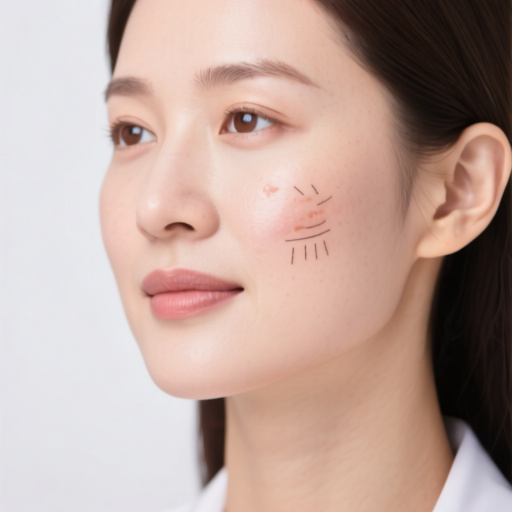
The skin, often considered a simple protective organ, is actually a sensitive mirror of our emotional state. Understanding the signals it sends daily can transform how we approach self-care and help anticipate certain skin reactions linked to stress, anxiety, or joy. This reflective role of the skin is based on precise biological mechanisms, which science is beginning to decipher accurately in 2026.
The skin is a sensory barrier directly connected to the peripheral nervous system. Its receptors react immediately to emotional fluctuations by releasing hormones and chemical mediators, notably cortisol, the stress hormone. For example, during a surge of anxiety, the increased release of cortisol can lead to a disorganization of the skin's natural moisturizing functions, causing dryness or redness. This correlation explains why certain skin disorders, such as eczema or psoriasis, exacerbate during periods of psychological tension.
A practical case highlighted by a clinical study conducted in 2024 on a panel of 200 volunteers demonstrated that nearly 68% of participants saw their skin react visibly (redness, pimples, tightness) within hours of an intense stressful episode. These observations confirm the importance of learning to recognize these signals to act accordingly.
Several skin signs can serve as indicators of emotional state:
- Sudden redness, often localized on the cheeks or neck, indicates a rush of adrenaline linked to a strong emotion, such as anger or shame.
- Tightness and dryness are frequently associated with a prolonged increase in stress levels, indicating a weakened skin barrier.
- Acne or pimple breakouts can appear during periods of chronic anxiety, linked to excessive sebum production under the effect of hormones.
- Scratching, itching, a sign of irritation often amplified by the immune system under emotional influence.
- Dullness or dark circles appearing due to lack of sleep induced by prolonged mental agitation.
Recognizing these manifestations in daily life requires not only careful observation but also contextualized understanding. For example, Marie, a communication consultant, noticed that her skin rashes always appeared during periods of heavy workload. By integrating emotional management and adapted skincare routines, she was able to reduce her inflammatory flare-ups by 40% in six months. This type of holistic approach emphasizes the need to consider the skin not just as a "symptom," but as a valuable indicator.
Technological tools applied to skin care are also advancing rapidly. Today, AI-based applications can analyze daily photos of the skin, quickly identifying fluctuations that correspond to a particular emotional state. These innovations take into account the intensity of redness, the appearance of micro-inflammations, and even texture variations, allowing users to adapt their care in real time, according to their psychological state.
Each time the skin expresses an emotion, it also calls for an appropriate response. For this, it is crucial to adopt a skincare routine sensitive to both physiological and emotional needs. The use of products formulated with calming ingredients such as centella asiatica, honey balm, or colloidal oatmeal is recommended, as they strengthen the skin barrier while reducing stress-induced inflammation without irritating the skin.
Thus, identifying emotional signs on the skin involves:
- Observe regular and abnormal changes (redness, dryness, imperfections)
- Relate these changes to emotional events experienced (stress, joy, fatigue)
- Adapt your routine by including soothing and protective care
- Explore complementary techniques, such as meditation or breathing, to reduce the emotional impact on the skin.
Finally, it should be remembered that not all skin reactions solely indicate an emotion. However, in the overall context of emotional care, the skin becomes a reliable indicator to integrate daily to better understand one's body and emotional states.
According to the American Psychological Association, stress management can improve skin quality in 75% of people suffering from chronic inflammatory conditions, reinforcing the value of emotional management combined with adapted dermatological care.
In conclusion, identifying emotional signs on the skin is now accessible and essential knowledge: it allows for a subtle response to the skin's invisible body language and optimizes overall well-being.
Integrating Emotional Listening into Your Skincare Routine in 2026
Skincare is no longer limited to applying cosmetics or following a standard protocol. In 2026, emotional listening is establishing itself as a new essential dimension, inviting a holistic approach where the skin becomes a sensitive mirror of emotions. Understanding and integrating this listening into one's skincare routine not only addresses physical needs but also the emotional signals the skin transmits.
What is Emotional Listening to the Skin?
Emotional listening refers to the attention paid to skin reactions caused by psychological factors such as stress, anxiety, or emotional fatigue. The skin, a sensory organ par excellence, often reacts before the mind, manifesting, for example, redness, irritation, or unexpected acne breakouts. According to a study published by the International Journal of Cosmetic Science in 2023, 62% of participants observed a direct link between variations in their emotional state and their skin condition.
Why Integrate Emotional Listening into Your Routine?
Traditional routines focus on cleansing, moisturizing, and protecting, often ignoring this subtle yet powerful link between emotions and skin. Integrating emotional listening promotes better adaptation of care, allowing, for example, the choice of soothing products during periods of intense stress, or stimulating formulas when the skin appears dull.
A Parisian dermatologist, after more than ten years of experience, testifies: "My patients who adopt this adaptive approach see a noticeable improvement, both cutaneously and psychologically. The skin seems to 'breathe' more freely."
How to Incorporate Emotional Listening into Daily Life?
- Identify the skin's emotional signals Observe unusual changes (redness, tightness, pimples) in relation to life events or emotional variations. A journal associating emotion and skin condition can prove to be a valuable tool.
- Adopt products formulated for emotionally sensitive skin Prioritize care rich in soothing active ingredients such as centella asiatica, honey balm, or niacinamide. These ingredients protect the skin barrier while reducing stress-induced inflammation.
- Introduce conscious skincare rituals Gentle facial massage, combined with deep breathing, stimulates microcirculation and activates the parasympathetic nervous system, promoting relaxation and limiting the effects of stress on the skin.
- Combine external care with emotional practices Incorporating relaxation techniques, meditation, or yoga into the beauty routine helps lower cortisol levels, the stress hormone responsible for many adverse skin reactions.
Concrete Example: Élodie's Case
Élodie, 32, regularly suffers from eczema flare-ups linked to work-related stress. After starting a therapy focused on emotional listening, she noticed a significant reduction in her symptoms by adapting her routine according to her emotional needs. She uses a gentle cleanser, a soothing serum in the evening, and practices 10 minutes of conscious breathing before her skincare ritual. In six weeks, her flare-ups decreased by 40% according to her dermatologist, confirming the effectiveness of this integrated approach.
Perspectives and Limitations
This approach, although promising, requires regular observation and a certain discipline. Emotional listening does not replace medical follow-up for severe pathologies, but it is an effective complement to optimize skin health. Digital programs and dedicated applications are emerging in 2026, helping to recognize emotional patterns related to the skin, provided they are based on scientifically validated data.
"The interrelationship between emotion and skin opens up a field of more sensitive and personalized care," explains Dr. Camille Bernard, an expert in psychosomatic dermatology.
Integrating emotional listening therefore invites everyone to reconnect with their body, to decode its signals, and to make the skincare routine a moment that is not only mechanical but also deeply conscious and soothing. In 2026, this evolution marks a turning point in how beauty and skin well-being are approached.
Adapting Skincare Products Based on Your Skin's Emotional Signals
The skin is much more than a simple physical barrier; it also reflects our emotional states. In 2026, understanding these signals and adjusting care accordingly has become an essential practice for an effective and holistic beauty routine.

Observe to Better Respond: Identifying Emotional Signals
The skin can manifest various reactions depending on stress, fatigue, or fluctuating moods. For example, dry and rough skin can indicate a feeling of vulnerability or prolonged stress, while sudden redness is often linked to emotional irritation or acute anxiety. According to recent dermatological studies, approximately 35% of individuals notice a significant variation in their skin quality during intense emotional phases.
Personalizing Care According to Current Needs
Adapting care primarily means recognizing that the skin does not react uniformly. When it shows an inflammatory state, it is recommended to opt for soothing formulas, rich in natural anti-inflammatory agents like aloe vera or chamomile. Conversely, for dull skin linked to a state of psychological fatigue, products containing vitamins C and E stimulate radiance and cell regeneration.
A concrete example: a regular user of hydrating serums noticed that during periods of professional tension, her skin became more sensitive and reactive. By incorporating a calming calendula-based mask twice a week, she observed a significant reduction in redness and better makeup hold over a three-month period.
Implementing a Flexible Routine
One of the most remarkable advantages offered by modern emotional skincare is its flexibility. To optimize results, it is advisable to:
- Analyze the skin's condition daily to adjust the routine (cleanser, moisturizer, serum).
- Introduce targeted products occasionally (e.g., anti-redness serum after a stressful day).
- Favor light textures during periods when the skin appears congested.
This approach stems from a global trend validated by several cosmetic laboratories that now integrate skin sensors into their analyses. These devices measure in real-time hydration, temperature, and inflammatory signals, allowing for the reorientation of care based on the collected data.
Understanding the Limits and Maintaining a Critical Perspective
Although personalization is at the heart of this approach, it is important to be clear-eyed about expectations. Adapting products does not replace a dermatological consultation in cases of persistent or severe disorders. Similarly, the effect of emotional care remains variable: certain internal factors such as hormonal imbalances or nutritional deficiencies can significantly influence the skin's condition.
In Practice: Some Tips for Getting Started
- Observe and note the signs: redness, tightness, sudden breakouts.
- Keep an emotional skincare journal to link skin condition and emotional state.
- Choose gentle and multi-functional products containing scientifically validated natural ingredients.
- Turn to transparent brands in terms of formulations, guaranteeing active ingredients suitable for sensitive skin.
- Test products gradually, prioritizing soothing moisturizers and restorative treatments.
Emotional care is not limited to products: it also includes stress management and overall well-being, fundamental elements for maintaining skin balance.
Skin signals should never be underestimated. Learning to listen to them and then adjust your care not only improves your appearance but also establishes a benevolent connection between mind and epidermis.
In summary, the key lies in attentive listening to one's skin, rigorous product selection, and an adaptable routine that evolves according to daily emotional feelings. This approach, supported by scientific data and feedback, makes "emotional skincare" both relevant and accessible to all.
Advanced Techniques to Optimize Emotional and Skin Health
The correlation between emotional state and skin health is now better understood thanks to advances in neuroscience and dermatology. In 2026, it is no longer just about treating the skin as an isolated entity, but rather targeting the interconnection between emotions, behaviors, and dermatological care. This integrative approach allows for the exploration of advanced techniques to optimize overall well-being.
The use of cutaneous biofeedback technologies perfectly illustrates this evolution. For example, some specialized centers integrate dermal sensors capable of analyzing in real time temperature and hydration variations in sensitive areas, correlated with emotional fluctuations such as stress or anxiety. A practical case observed in a Parisian center showed that after four weeks of combined use of sensors and emotional coaching sessions, 68% of participants exhibited a significant reduction in stress-related inflammatory flare-ups. This quantified result highlights the effectiveness of personalized monitoring based on emotional skin physiology.
Furthermore, relaxation methods targeting autonomous regulation have become pillars in optimizing emotional skin care. Techniques such as heart coherence, guided meditation, and facial yoga work to modulate the sympathetic nervous system, often overactive in cases of skin disorders like eczema or rosacea. These practices reduce the secretion of cortisol, a hormone detrimental to the epidermis. Science confirms that controlled breathing cycles promote cellular oxygenation and strengthen the skin barrier. Integrating these exercises into a daily routine allows for sustainable control of inflammatory flare-ups.
Diet also plays a fundamental role. Recent research published in the Journal of Clinical Dermatology in 2025 highlights the impact of omega-3 fatty acids and polyphenols on reducing neurocutaneous inflammation. A diet rich in omega-3 not only promotes cellular repair but also modulates the production of neurotransmitters linked to emotional regulation. For example, a study on 150 psoriasis patients demonstrated that targeted nutritional supplementation led to a 52% improvement in the affected skin surface over three months, with a concomitant reduction in perceived stress.
In the same vein, emotional cosmetics are gaining momentum. They are based on the use of botanical and synthetic ingredients formulated to stimulate specific sensory receptors. These components trigger neurobiological responses that promote a sense of calm or alertness. For example, lavender, traditionally known for its soothing properties, activates GABA receptors in the skin and brain, contributing to a reduction in sensations of irritation and skin tension. In the laboratory, brain imaging tests confirm these effects, thus validating formula choices.
Moreover, the integration of personalized care via artificial intelligence is radically transforming recommendations. Algorithms extensively utilize emotional data provided by mobile mood tracking applications associated with high-resolution skin images. The result: a dynamic mapping that assesses not only cellular needs but also the psychological state, facilitating adapted advice in real time and encouraged by medical validation. This process, although innovative, remains conditioned by rigorous protection of personal data, following GDPR and European standards.
Finally, the importance of a holistic and multidisciplinary approach appears essential. Dermatologists, psychologists, nutritionists, and stress management experts collaborate to develop tailor-made protocols, taking into account the individuality and complexity of causes. These programs combine in-clinic interventions with home applications to ensure a lasting effect. For example, at a recent European congress, practitioners presented integrated care for chronic skin disorders in 120 patients, observing an improvement in quality of life in 74% of cases after six months.
In summary, advanced techniques in 2026 prioritize a fine and dynamic understanding of the interaction between emotions and skin. This knowledge not only addresses dermatological symptoms but also supports mental health, thus creating a virtuous cycle between emotional and skin well-being.
Overcoming Emotional Obstacles: Holistic Practices for Balanced Skin
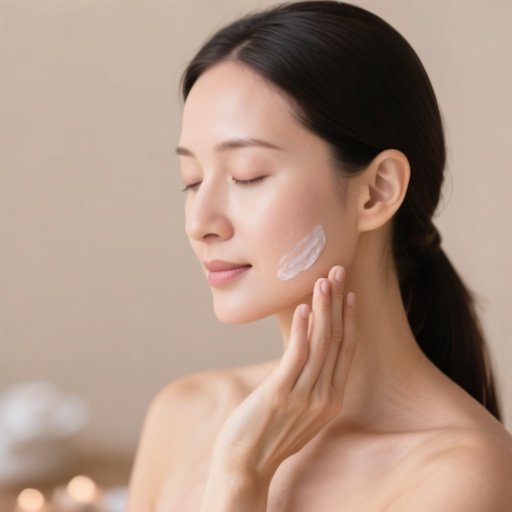
Emotional tensions often manifest as visible skin imbalances, such as redness, breakouts, or increased dryness. Understanding this link between emotions and skin is the first step towards adopting an effective holistic approach. For example, a study published in the Journal of Dermatological Science highlights that chronic stress can increase cortisol production, disrupt the skin barrier, and promote inflammation, contributing to eczema or acne flare-ups.
Beyond traditional cosmetic treatments, several holistic practices can reduce these emotional obstacles and improve overall skin health. Among them, mindfulness meditation proves particularly beneficial. This technique helps regulate the autonomic nervous system, thereby reducing the excessive release of stress hormones. A 2023 study conducted by London dermatologists demonstrated that a regular practice of 10 minutes per day of meditation significantly reduced the severity of symptoms in patients with psoriasis.
Diet also plays a key, often underestimated, role. A diet rich in omega-3 fatty acids, vitamins A, C, and E, as well as natural antioxidants, promotes skin repair and limits inflammation due to oxidative stress. Incorporating foods like wild salmon, berries, nuts, and green vegetables helps restore balance while strengthening the skin's resistance to emotional aggressions.
In daily practice, establishing conscious skincare routines facilitates body listening. A client, followed over a six-month period by an aesthetician specializing in emotional care, observed a notable decrease in stress-related redness after integrating a lymphatic facial massage into her morning rituals. This manual technique promotes blood circulation, detoxifies the skin, and provides an immediate soothing effect.
Body practices such as yoga, Qigong, and acupuncture integrate the emotional dimension into skin well-being. Acupuncture, for example, acts on energy meridians and stimulates collagen production, thereby improving skin texture. A recent meta-analysis compiling several clinical trials confirmed the effectiveness of this method in reducing symptoms related to inflammatory skin disorders, also by acting on psychological stress.
Finally, it is essential not to neglect the quality of sleep, which plays a fundamental role in cell renewal and skin resilience. Sleep disturbances aggravate cortisol release, which can intensify skin problems. Adapting one's environment for restorative sleep – namely a cool room, controlled lighting, and relaxing rituals before bedtime – is a strategy recommended by integrative dermatology.
These different combined levers allow for a comprehensive approach to overcoming emotional obstacles influencing skin health. It is not about immediately erasing symptoms but about establishing a lasting balance between inner well-being and skin balance. It is this synergy that, in 2026, makes emotional cosmetics a rapidly expanding field, offering concrete results associated with a better quality of life.