

Skin and Burnout: Recognizing the Signs of Skin Stress
- Understanding the Link Between Emotions and Skin: The First Signs of Burnout
- Cutaneous Manifestations of Burnout: How Skin Reacts to Burnout
- Stress and Skin: The Impact of Burnout on the Skin Barrier
- Skin Burnout: Skin Changes and Accelerated Aging
- Regenerating Skin After Burnout: Skincare Routine and Stress Management
- Understanding the Emotion-Skin Link: Cortisol and the Skin Barrier
- Identifying Emotional Triggers and Their Manifestations
- Emotion Management Techniques for Healthier Skin
- Skincare Integrated with Emotional Management
- Practical Illustration: The Case of Sophie
- Cultivating Well-being for Radiant Skin: Beyond Burnout
Understanding the Link Between Emotions and Skin: The First Signs of Burnout
The body expresses internal tensions long before consciousness clearly formulates them. This intimate connection manifests as precise physiological signs on the epidermis. The skin barrier reacts when emotional overloads saturate the body's adaptive capacities: the complexion dulls, skin texture becomes uneven, and sensitivity increases. Recognizing these early signals allows for adjusted cosmetic support and the adoption of suitable preventive measures.
From the first weeks of overwork, cortisol production continuously increases, disrupting the protective functions of the skin. This hormonal imbalance slows cellular regeneration and promotes the appearance of imperfections or areas of intense dryness. To address this, Maria Devoghe's formulation charter prioritizes targeted restorative active ingredients: gentle antioxidants and biomimetic lipids to restore the integrity of the epidermis.
In addition, the repercussions of lack of sleep directly affect the delicate eye contour area. Blood and lymphatic capillaries become engorged due to fatigue, creating dark circles and visible puffiness upon waking. Apply your smoothing treatment with light, circular tapping motions: this simple gesture reactivates microcirculation and reduces temporary signs of fatigue.
Conversely, the impact of prolonged nervous tension also extends to the scalp and hair. Stress accelerates the hair shedding phase while slowing natural growth, making hair thinner and more brittle. A gentle scalp massage during shampooing helps restore the vitality of hair bulbs by optimizing the supply of essential nutrients.
Nails, often overlooked, nevertheless provide useful indications about general health. Brittle, fragile nails or those marked by unusual ridges can accompany nutritional imbalance or a period of sustained stress. Their quality sometimes reflects a decrease in energy or a more stressed body.
However, these changes are not always immediately visible. They appear gradually and can go unnoticed without careful body observation. A sudden and marked change in physical appearance, especially when it coincides with a period of emotional tension, deserves to be taken seriously.
This relationship between emotions and physical appearance works both ways. Emotions influence the body, and physical changes can in turn affect mood and self-esteem. From the first weeks, recognizing these signals allows for adjusting lifestyle and implementing more appropriate stress management strategies.
Cutaneous Manifestations of Burnout: How Skin Reacts to Burnout
Burnout is not just about intense fatigue. It is often accompanied by discreet but persistent physical signs that indicate chronic stress has already set in. The skin barrier reacts when the body remains under tension for too long, and the skin can then become a useful indicator of this exhaustion.
One of the first signs is deep fatigue, barely improved by rest. It goes beyond the weariness of a busy day and is often accompanied by a decrease in concentration, a feeling of slowness, and less available energy in daily life.
In addition, sleep disturbances are common. Difficulty falling asleep, nocturnal awakenings, or the impression of non-restorative sleep disrupt the skin's natural regeneration. This incomplete recovery weakens the skin's repair mechanisms, while muscle tension can appear in the neck, shoulders, and back.
The digestive system is also sensitive to this exhaustion. Stomach aches, bloating, diarrhea, or constipation can gradually set in, sometimes with less regular or less balanced eating habits. In practice for sensitive skin, this overall imbalance often affects the complexion's radiance and skin reactivity.
Conversely, the cardiovascular system can remain on alert for a prolonged period. A higher heart rate or increased blood pressure indicate a sustained stress response over time. When this state continues, it affects the body's general balance and contributes to the establishment of long-lasting fatigue.
Skin disorders are among the possible physical manifestations of burnout. Skin rashes, eczema, marked dryness, or increased sensitivity to irritants can appear. The skin barrier reacts when stress sets in and the general balance is weakened. The complexion can also become duller and more tired.
However, these physical symptoms vary from person to person. Some people primarily experience intense fatigue, while others are more affected by digestive problems or muscle tension. In addition, these manifestations can coexist with emotional and psychological symptoms, such as irritability, anxiety, or depression. A complete evaluation by a healthcare professional is necessary to make an accurate diagnosis.
Sophie, a freelance graphic designer, regularly worked long hours to meet deadlines. Initially motivated, she gradually developed persistent headaches, sleep disorders, and frequent digestive problems. From the first weeks, she also noticed a clear decrease in her creativity and increasing irritability. These signs, combined with significant fatigue and detachment from her work, indicated burnout in the process of setting in. Early intervention, with rest and better boundaries between professional and personal life, was crucial for her recovery.
Finally, it is important to consult a healthcare professional if these symptoms persist or worsen. They can establish an accurate diagnosis and propose appropriate management: lifestyle adjustments, stress management techniques, and, if necessary, psychological support. Ignoring these physical signals exposes one to lasting repercussions on physical and mental health.
Stress and skin: the impact of burnout on the skin barrier
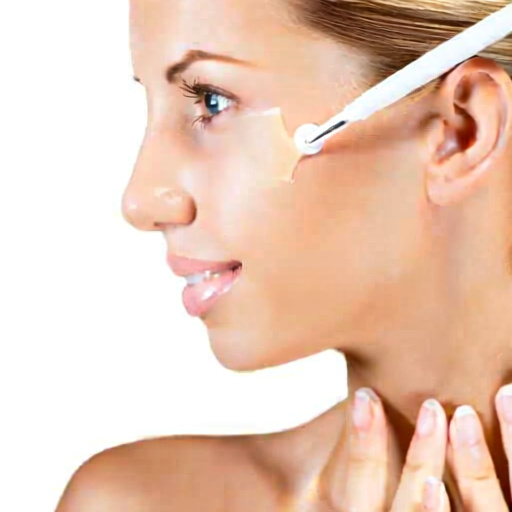
Emotions don't just stay in the mental sphere. They maintain a close link with the skin, especially when stress becomes prolonged. Chronic stress, persistent anxiety, or marked emotional fatigue can manifest as visible skin imbalances.
This link is explained by simple physiology: the nervous system and the skin communicate continuously. During prolonged stress, the body releases more cortisol and inflammatory mediators. The skin barrier reacts when this state lasts: it becomes less stable, more permeable, and often more reactive.
Among the most common signs, increased sebum production is well-known. Stress stimulates the sebaceous glands, which can make the skin oilier and promote the appearance of acne. In practice for sensitive skin, a breakout of imperfections associated with redness or a burning sensation can also signal a weakened skin barrier.
Conversely, stress does not only manifest as acne. Eczema, atopic dermatitis, or psoriasis can also be aggravated during periods of intense tension. In skin already prone to inflammation, these episodes are often accompanied by more frequent flare-ups, itching, and lasting discomfort.
From the first weeks of poorly managed stress, the skin can also appear duller. Skin renewal slows down, discomfort increases, and the complexion loses its evenness. Disturbed sleep, often associated with burnout, further accentuates this fragility: the skin recovers less effectively, and signs of fatigue become more visible.
Finally, this relationship remains highly individual. The same emotional burden does not cause the same reactions from one person to another, but the skin signal deserves to be heard. Maria Devoghe advocates a coherent and gentle approach: observe the skin, support the skin barrier, and adapt skincare to prioritize if the skin feels tight or reacts.
- Relaxation techniques: Meditation, yoga, and deep breathing can help reduce stress levels and calm the nervous system.
- Regular physical activity: Exercise is a good way to release tension and promote overall well-being.
- Psychological support: Talking to a therapist or counselor can help better manage difficult emotions and develop coping strategies.
- Balanced diet: A nutrient-rich diet low in processed sugars can support skin health.
- Sufficient sleep: Ensuring quality sleep is important for cellular regeneration and stress management.
Skin health often reflects overall well-being. By paying attention to emotions and setting simple benchmarks to better manage stress, it is possible to support more stable skin. The difference lies in regularity: an approach that considers both mind and body helps maintain skin balance.
Skin Burnout: Skin Changes and Accelerated Aging
Burnout, linked to prolonged chronic stress, can also be read on the skin. Beyond fatigue and sleep disorders, it is sometimes accompanied by subtle but very real changes in complexion, skin comfort, and skin quality. Maria Devoghe reminds us that a holistic understanding is useful for interpreting these signs.
Chronic stress disrupts the body's hormonal balance. High levels of cortisol can inhibit collagen production, a protein that contributes to skin suppleness. The skin may then appear thinner, less toned, and show signs of aging earlier. In addition, this same cortisol can stimulate sebum production, leading to skin eruptions or acne, particularly in the T-zone, forehead, nose, and chin.
Inflammatory mechanisms also play a role in this picture. Burnout can disrupt the immune response and sustain underlying inflammation. This can promote or worsen certain skin conditions such as eczema, psoriasis, or rosacea. In practice for sensitive skin, this phase often results in more redness, heat sensations, or discomfort.
The skin barrier protects the skin from external aggressions, including pollution. Conversely, the skin barrier reacts when stress becomes prolonged: it becomes less effective, the skin loses more water, and recovers more slowly. Lack of sleep, common during burnout, also slows cellular regeneration. The complexion appears duller, fine lines deepen faster, and dehydration becomes more visible.
Some people also notice increased sensitivity to allergens and irritants. From the first weeks, this can manifest as redness, itching, or more frequent skin reactions. The link between the gut and the brain is also influenced by stress: microbiota imbalances, sometimes observed in the context of burnout, can be associated with skin disorders such as eczema or psoriasis.
Skin manifestations related to burnout vary from person to person. Their intensity and form depend on individual predispositions, lifestyle, and individual sensitivity to stress.
Dermatological treatments can alleviate symptoms, but improvement also involves addressing the root cause. In addition, simple actions support overall balance: relaxation, regular physical activity, adapted nutrition, and mindfulness techniques. A mental health professional and a dermatologist can help build personalized support. The difference lies in consistency.
Regenerating Skin After Burnout: Skincare Routine and Stress Management
The link between skin and emotional state is close. Chronic stress, and even more so burnout, can manifest as visible signs on the skin. It promotes the release of hormones that alter its balance. The goal then is to combine skincare with nervous system soothing, with concrete benchmarks adapted to each situation.
Understanding the Emotion-Skin Link: Cortisol and the Skin Barrier
Stress increases cortisol, which can heighten inflammation and disrupt sebum production. The skin barrier reacts when the body remains under tension for too long: it becomes less effective, the skin loses more water, and recovers more slowly. Acne breakouts, eczema, or psoriasis can then appear or intensify.
In this context, the skin remains in a state of constant vigilance. It tolerates external aggressions and overly active treatments less well. In practice for sensitive skin: it is better to revert to a short, stable, and well-tolerated routine.
Identifying Emotional Triggers and Their Manifestations
The first step is to identify what triggers or aggravates skin reactions. Observing periods of tension, sleep, mental load, or certain changes in rhythm helps understand what the skin is expressing.
Once regularly used, a simple journal can reveal useful connections: date, stress level, sleep quality, diet, and visible signs like dark circles, pimples, or a dull complexion. This approach prevents solely blaming a product when the imbalance is more global.
Emotion Management Techniques for Healthier Skin
Certain validated approaches help reduce the stress load and indirectly support skin recovery. Slow breathing, gentle physical activity, real breaks during the day, and psychological support can improve the overall condition for the skin to repair itself more calmly.
From the first weeks, a more stable rhythm often reflects on skin comfort: less heating, less tightness, more supple skin. Maria Devoghe reminds us that effective care does not aim to correct everything at once, but to create favorable conditions for the skin to function more calmly.
- Meditation and mindfulness: Regular meditation practice can lower cortisol levels and promote a state of relaxation. Some studies observe a reduction in inflammatory skin manifestations, particularly in people prone to acne.
- Physical exercise: Physical activity helps release tension and better regulate stress. Even a short daily walk can have a positive effect on skin condition.
- Deep breathing: Simple exercises, doable almost anywhere, soothe the nervous system. Diaphragmatic breathing slows the heart rate and promotes relaxation.
- Art therapy and creative expression: Expressing what you're experiencing through drawing, writing, music, or other creative forms can offer concrete and calming support.
- Social support: Talking with a loved one or a professional provides useful emotional support and helps to gain perspective on difficulties.
Skincare integrated with emotional management
In addition to emotional regulation techniques, a gentle and adapted skincare routine supports the skin during burnout. Soothing formulas, based on aloe vera, chamomile, or oat, can help calm sensitized skin: to be preferred if the skin feels tight or reacts. The goal remains simple: to respect the skin barrier, often weakened by stress, and to support natural regeneration.
Then, hydration remains central: it helps limit discomfort, support this barrier, and prevent dryness. The skin barrier reacts when the pace of life becomes unbalanced, so care should remain simple, consistent, and well-tolerated. Maria Devoghe recommends avoiding overly complex routines during this period.
Conversely, there is no single answer or identical result for every skin type. The difference lies in regularity, patience, and a gentle approach in daily gestures. A healthcare professional or dermatologist can offer personalized support if skin manifestations persist.
Practical illustration: Sophie's case
Sophie, a young professional, had been living with significant acne for several years, with clearer flare-ups during periods of intense work stress. After therapeutic support for her anxiety, she incorporated breathing exercises and meditation into her daily life. From the first few weeks, she also simplified her skincare routine, prioritizing hydration and reducing irritation.
Once consistently applied, this more calming framework coincided with a visible improvement in her acne. This example shows that a global approach, combining emotional management and adapted skincare, can support more stable results over time.
Cultivating well-being for radiant skin: beyond burnout
The link between emotional state and skin health is real. Burnout can manifest on the skin through specific signs: acne, dark circles, dull complexion, and increased sensitivity. Understanding this relationship helps establish overall well-being that is also reflected on the skin's surface.
Chronic stress linked to burnout triggers several reactions in the body: increased cortisol, dysregulation of the inflammatory response, and slowing of repair mechanisms. The skin barrier reacts when this tension lasts, with skin that is more uncomfortable, less supple, and sometimes oilier. Increased sebum production can then promote blemishes and blackheads.
Conversely, it's not just about a change in appearance. Studies have shown links between stress and certain skin conditions such as eczema, psoriasis, or acne. When the body remains on prolonged alert, cell regeneration slows down, and the skin often becomes more reactive.
To improve this balance, several habits can be adopted daily. In practice, for sensitive skin, the goal is to reduce physical and mental overload without disrupting already fragile rhythms.
- Mindfulness: Meditation, yoga, or deep breathing help calm the nervous system. A few minutes a day can be enough to reduce perceived pressure.
- Time and priority management: Setting clear boundaries, delegating when possible, and easing certain demands reduces the feeling of exhaustion.
- Regular physical activity: Movement supports mood and helps better regulate stress. A daily walk can already have a useful effect.
- Quality sleep: Sufficient rest supports cell regeneration and general recovery. A duration of 7 to 8 hours remains an appropriate basis for many adults.
- Balanced diet: A regular intake of antioxidants, vitamins, and minerals supports the skin from within and its ability to cope with aggressions.
- Social support: Maintaining stable connections and being able to talk to loved ones or a professional helps lighten the emotional load.
In addition, these adjustments do not act as an immediate response, but as a more stable framework for the skin and for the body. The difference lies in regularity: simple gestures, repeated over time, support a clearer complexion and often less reactive skin. At Maria Devoghe, this approach remains the same: respect the body's signals, protect the skin without over-soliciting it, and move forward with consistency.