

5 essential steps to transform your skincare routine into an emotional ritual
- Understanding Emotional Cosmetics: Definition and Key Principles
- The Scientific Foundations Behind the Emotional Impact of Skincare
- How Beauty Products Influence Our Emotional Well-being
- 5 Essential Steps to Integrate Emotional Cosmetics into Your Daily Routine
- Choosing the Right Products to Maximize Positive Emotional Impact
- Advanced Techniques to Personalize and Enrich Your Emotional Skincare Ritual
- Avoiding Common Mistakes in Applying Emotional Cosmetics
- Measuring and Optimizing the Lasting Impact of Your Emotional Skincare Ritual
Understanding Emotional Cosmetics: Definition and Key Principles
Emotional cosmetics transcend the simple application of skincare by integrating an essential psychological and sensory dimension. This approach aims to stimulate not only the senses but also the emotional state, creating a true wellness ritual. Unlike traditional skincare focused solely on physical results, emotional cosmetics work on the link between skin and emotions, enhancing feelings of calm, confidence, and pleasure.
The concept is based on the recognition that the skin is an eminently receptive organ, reacting to external stimuli as well as internal states. For example, a study conducted by the French Institute of Beauty showed that 68% of users perceived a significant difference in their mood after a facial treatment combining pleasant textures and targeted aromas. This data illustrates the importance of a well-thought-out sensory approach that adapts to users' emotional needs.
At the core of emotional cosmetics are three fundamental principles:
- Multisensory stimulation: the texture, fragrance, and even the temperature of the product directly influence bodily sensations and, consequently, mood.
- Self-awareness: a skincare ritual becomes a moment of reconnecting with one's emotions, promoting mindfulness for lasting calm.
- Emotional personalization: the choice of cosmetics should be based on one's state of mind, whether it's to energize, relax, or comfort.
A concrete example illustrates this last principle well. A user incorporated a rose serum into her routine, known for its soothing properties both for the skin and emotions. After four weeks, she reported a notable decrease in perceived stress accompanied by improved sleep quality — an effect made possible by a composition rich in natural extracts and a delicate fragrance, combined with a gentle gesture promoting gradual relaxation.
The mechanism behind this link between cosmetics and emotion is based on neuro-cosmetics, a discipline that studies the interactions between skin actives and the nervous system. Molecules like lavender or chamomile, integrated into skincare, possess neuroprotective properties that can mitigate the effects of stress on the skin. Thus, emotional cosmetics are not limited to a placebo effect but are based on solid scientific foundations.
In practice, establishing an emotional cosmetic ritual requires particular attention to the environment. Soft lighting, gentle music, and measured gestures actively contribute to creating an atmosphere conducive to sensory awakening and emotional expression. This aligns with the recommendations of the International Academy of Cosmetology, which encourages the adoption of slow, conscious rituals to maximize perceived benefits.
Finally, the emotional relationship to cosmetics is also strongly influenced by the symbolism of the chosen products. For example, products with natural ingredients or those derived from ancestral traditions convey a message of respect and authenticity, strengthening the personal connection to the routine. This symbolic dimension impacts the motivation to maintain this ritual, promoting a lasting transformation of the relationship with care.
Thus, emotional cosmetics represent a renewal in the world of skincare, combining technical expertise, sensory well-being, and positive psychology. They invite us to redefine the classic routine into a unique moment of holistic care where skin and mind mutually nourish each other. Daily gestures then become privileged moments, full of meaning and deeply beneficial.
The Scientific Foundations Behind the Emotional Impact of Skincare
The skincare routine goes far beyond the simple application of products to the skin. Behind every gesture lies a complex interaction between body and mind, governed by precise neurobiological mechanisms. Understanding these scientific foundations allows us to appreciate how a carefully crafted skincare ritual can induce lasting emotional well-being.
One of the key elements is the role of tactile receptors located in the skin, particularly C-tactile fibers. These are sensitive to light, slow caresses, typical of a massage or gentle patting during skincare application. Their activation sends signals to the insular cortex, a brain area involved in emotion perception. This tactile stimulation calms the autonomic nervous system by decreasing sympathetic activity (stress response) while increasing parasympathetic activity, responsible for relaxation. For example, a 2019 study by the University of Cambridge demonstrated that affectionate skin contact reduces the production of cortisol, the stress hormone, in participants.
Beyond simple physical sensation, the release of oxytocin plays a decisive role in the emotional dimension of skincare. This hormone, often called the "bonding hormone," is released in response to pleasant contact and promotes a sense of security and connection. In a daily context, taking the time for a skincare ritual thus becomes a form of self-cuddling, generating emotional self-regulation, as observed in several psychological analyses on stress management.
Olfaction also plays a role. Fragrances used in skincare products activate the limbic system, the seat of emotions in the brain. Scents like lavender or sweet orange have scientifically proven relaxing and soothing qualities. A study published in the Journal of Alternative and Complementary Medicine in 2022 indicates that aromatherapy applied during daily care can significantly reduce anxiety in people experiencing chronic stress.
Furthermore, the daily repetition of a skincare ritual establishes a neuropsychological anchor. Ritualized routines strengthen certain neural circuits, which amplifies their calming and positive effect in the long term. Thus, consistency in skincare not only creates healthy skin but also forms a mental refuge. A concrete example observed in behavioral dermatology highlights that patients suffering from atopic dermatitis improve their quality of life by integrating a systematic skincare ritual that promotes their emotional well-being.
Finally, the mindful aspect—or conscious attention—during skincare acts as a powerful lever. When gestures are performed with full awareness, the individual feels their bodily and emotional sensations more deeply, reducing negative thoughts. This mind-body connection is supported by neuroscience studies showing that a quick meditative practice during skincare improves emotional regulation through modulation of frontal neural networks.
Overall, these different mechanisms—activation of tactile fibers, oxytocin release, olfactory stimulation, neuropsychological anchoring, and mindfulness—constitute a solid scientific foundation for the positive emotional impact of skincare rituals. By transforming a daily routine into a true moment of care for the body and mind, it becomes possible to cultivate a more stable emotional balance, thereby preventing stress and promoting a better quality of life.
How Beauty Products Influence Our Emotional Well-being
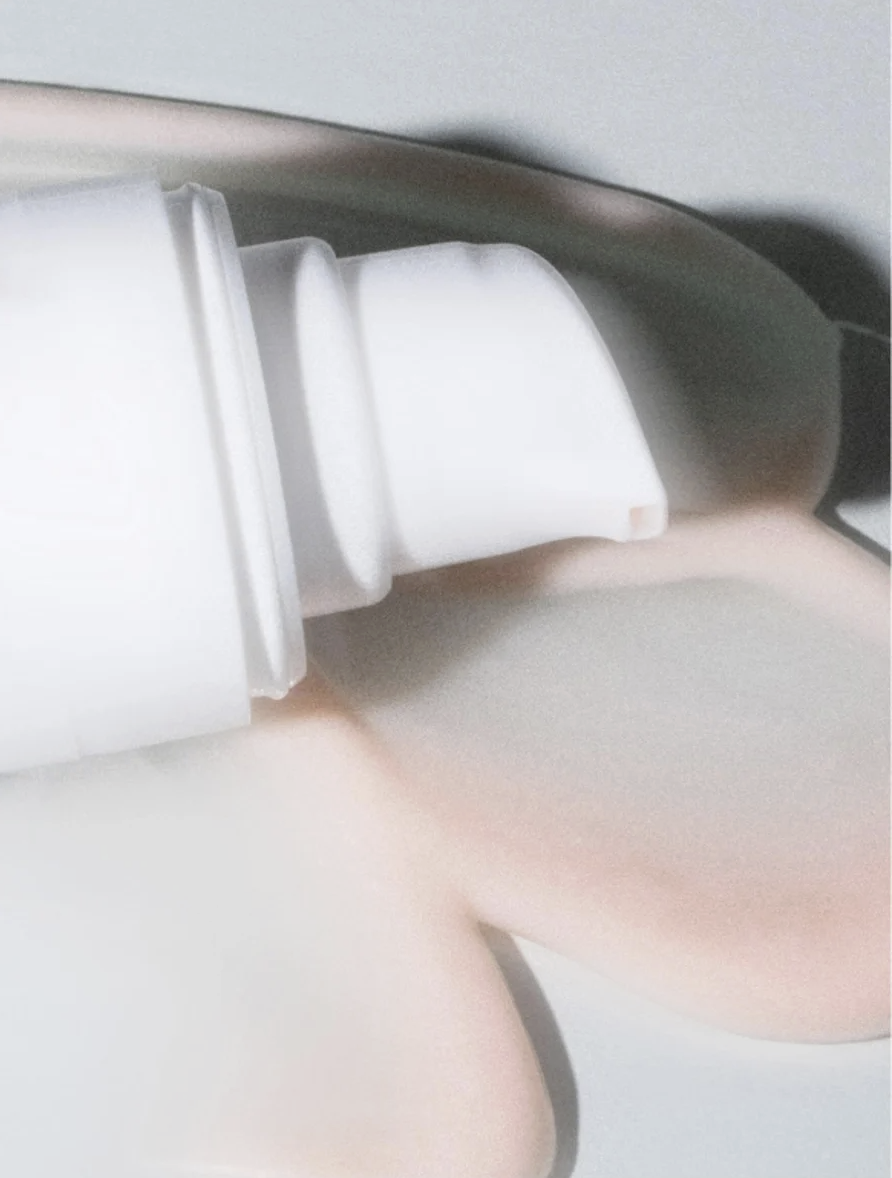
Beauty products are not limited to improving external appearance; their impact extends far beyond the physical to touch emotional well-being. Indeed, the regular use of suitable products can create a true emotional ritual that soothes, boosts self-confidence, or helps manage daily stress.
From a scientific perspective, the texture, fragrance, and color of products play a key role in this emotional influence. For example, research in sensory psychology shows that floral or citrus scents are associated with a feeling of freshness and dynamism, while softer aromas like vanilla or lavender promote relaxation and calm. This olfactory response explains the power of subtle-scented skincare to provide a state of calm or a boost of energy from the first applications.
Beyond smells, the tactile sensation that products provide on the skin is crucial. A creamy, melting care product can stimulate the production of endorphins, often called happiness hormones, which are released during gentle contact with the skin. This is where the quality of ingredients comes into play: formulas rich in natural oils or moisturizing agents promote a pleasant sensory experience, amplifying the positive effect on mood. A recent dermatological study showed that people who daily use rich-textured moisturizing skincare observe a notable improvement in their mood compared to those with a minimalist or neglected routine.
The impact of beauty products also manifests in self-perception. When a person invests time in caring for their skin, it sends an indirect but powerful signal to the brain: I deserve this attention, I'm taking a wellness break, I value myself. This feeling boosts self-confidence, which is confirmed by clinical observations in psychodermatology. These experts emphasize the biopsychosocial link between skin condition and mental health, highlighting that daily care can become a true emotional anchor, stabilizing mood and facilitating stress management.
A concrete example is Sophie, an entrepreneur in the creative sector, who transformed her skincare routine into a daily ritual. Previously, her sensitive skin often bothered her and affected her confidence during professional presentations. By integrating gentle products with a light fragrance and comforting textures, she noticed not only a visible improvement in her complexion but also a decrease in her anxiety related to physical appearance. This change is due to the combination of better skin hydration and the relaxation provided by the conscious application of her skincare.
Finally, the emotional impact of beauty products is also linked to their ritualized use. Taking time each day to massage one's face, breathe in the fragrances, and view this moment as an act of kindness towards oneself creates a positive routine that emotionally structures the day. This phenomenon, well-known in naturopathy and well-being psychology, allows for the anchoring of a lasting feeling of calm and balance.
In summary, the influence of beauty products on emotional well-being is explained by several complementary mechanisms:
- Sensory stimulation (olfactory and tactile) which acts on the limbic system, the seat of emotions
- Self-valorization which strengthens personal confidence
- The relaxing effect of conscious and regular application
- Visible skin improvement, a source of satisfaction and motivation
It is therefore essential to choose products that correspond not only to one's skin type but also to one's sensory preferences, in order to maximize the synergy between external beauty and emotional balance.
5 Essential Steps to Integrate Emotional Cosmetics into Your Daily Routine
Integrating emotional cosmetics into a skincare routine requires more than just applying a product: it’s about transforming each gesture into a sensory and emotional experience. This approach aims to enhance overall well-being by combining skin care with mental appeasement.
1. Conscious Skin Preparation Before any application, taking the time for sensory preparation influences how the skin receives the treatment. For example, moistening the face with lukewarm water triggers a soothing effect and promotes the opening of pores. Paying close attention to these sensations can help anchor the present moment, intensifying the emotional experience of the ritual. An expert aesthetician in the field notes that when her clients focus on their tactile sensations, they report an increased feeling of relaxation within the first few minutes.
2. Gentle and Rhythmic Gestures The skincare becomes an emotional ritual from the moment the gesture is performed with delicacy and intention. Slow, enveloping movements, such as light pressures or circular effleurages, stimulate the parasympathetic nervous system, responsible for relaxation. According to a study published in the Journal of Cosmetic Dermatology, these movements help reduce the production of cortisol, the stress hormone, which promotes better skin balance. Applying a moisturizing cream can thus transform into a true facial massage that not only nourishes the skin but also invites letting go.
3. The Use of Beneficial Aromas Fragrances contained in cosmetic products play a crucial role in emotional cosmetics. Scents from essential oils, such as lavender or bergamot, are known for their calming properties and their ability to modulate mood. A specialized brand noted that integrating natural aromatic extracts into its skincare products allowed 78% of its users to experience a feeling of serenity after one week of regular use. It is important to select products with a subtle fragrance to avoid olfactory overload, which could be counterproductive.
4. Dedicated, Distraction-Free Time For the ritual to be emotional, it must take place in an environment conducive to mindfulness. Closing your eyes, turning off screens, and choosing a quiet moment in the day helps to value this time for yourself. Neuropsychology studies show that exclusive concentration on a relaxing activity increases the activation of brain areas associated with well-being. Some users share that integrating skincare into a morning routine or evening ritual significantly improves their mood and sleep, proving the concrete impact on emotional well-being.
5. Gratitude and Affirmed Intention Finally, concluding the ritual with a positive intention or a feeling of gratitude reinforces the emotional experience. This symbolic act can be a simple conscious breath, or a kind thought towards oneself, reflecting the value placed on the care received. An approach inspired by mindfulness practices, validated by positive psychology research, shows that cultivating gratitude improves self-esteem and emotional resilience. Applying this last step anchors the ritual in an objective of global well-being, going beyond superficial skin care.
Each carefully executed gesture, enriched with attention and emotions, transforms the daily routine into an authentic moment of harmony. Through this method, emotional cosmetics meet modern expectations, where beauty is no longer limited to appearance but includes a palpable inner balance.
Choosing the Right Products to Maximize Positive Emotional Impact
/
Selecting skincare products is not just about technical efficacy, but also a key to nurturing the emotional impact of the skincare ritual. Indeed, each product carries its own sensory signature, capable of eliciting various emotions ranging from relaxation to revitalization. Hence the importance of carefully choosing these products to transform a simple routine into a moment of deep well-being.
The first step is to identify your specific skin needs, as successful skincare primarily relies on suitability with your skin type and concerns. For example, dry skin will benefit from a richer, more nourishing texture, while oily skin requires light, non-comedogenic formulas. This personalization not only ensures visible results but also immediate comfort, creating a positive sensation from the very first application.
Beyond dermatological criteria, the sensory aspect plays a central role. Textures, scents, and even color influence mood. A light cream with a silky texture promotes a soft and enveloping touch, while a fresh, citrusy serum stimulates the senses and energizes. Studies in aromatherapy show that opting for products containing essential oils like lavender or sweet orange can modulate emotions, reducing stress or improving concentration during the ritual.
An experienced esthetician testifies that "the sensory richness of products contributes to the emotional anchoring of the gesture: harmonious textures and subtly evocative scents awaken a more intense bodily awareness." This emotional connection is strengthened when the product embodies personal values such as naturalness, ethics, or slow cosmetics, adding a dimension of moral satisfaction to sensory pleasure.
It is also relevant to favor products with transparent composition and scientifically validated active ingredients. For example, formulations enriched with peptides or ceramides help restore the skin barrier, offering tangible recognition of effectiveness. Trust in the product then acts as a vector of psychological appeasement, important in managing emotions during the ritual.
For those who wish to deepen this emotional approach, integrating one or two multi-sensory products into the routine proves effective. For example:
- Vegetable oils chosen for their silky touch and natural scent, work in synergy with facial massage to enhance the relaxation effect.
- Masks based on botanical extracts, which combine freshness, creamy or gelled texture, and delicate fragrances, create a moment of sensory pause.
Furthermore, opting for functional and aesthetic packaging also contributes to this experience. The simple act of handling a frosted glass bottle, a soft pipette, or a flip-top cap can amplify the feeling of precious personal care. A consumer attentive to these details reports having noticed a "significant improvement in motivation to maintain a skincare routine thanks to the tactile quality of the containers."
Finally, it is useful to adjust this selection over time based on seasonal changes, stress levels, or even mood. For example, in winter, richer textures and enveloping scents like vanilla or sandalwood provide a comforting sensation, while in summer, light and fresh products energize without weighing down.
This dynamic approach, which combines dermatological expertise and consideration of emotional needs, offers an essential holistic perspective for maximizing the power of the skincare ritual. By integrating these criteria, the routine becomes a daily act not only useful for the skin, but also deeply beneficial for inner balance.
Advanced Techniques to Personalize and Enrich Your Emotional Skincare Ritual
Personalizing an emotional skincare ritual requires going beyond basic gestures to integrate elements that nourish both body and mind. This often begins with consciously adapting the environment and practices to the current feeling. For example, a personal development practitioner observed that when she introduced specific essential oils—like lavender to soothe or sweet orange to revitalize—into her treatments, her clients reported a significant improvement in their emotional well-being. This observation aligns with the recommendations of aromatherapy, recognized for its neuropsychological effects on stress and anxiety, confirmed by several clinical studies.
Integrating conscious breathing time during the ritual helps anchor the care in the present moment. The heart coherence method, which involves synchronizing breathing at a rhythm of around 6 breaths per minute, is particularly effective. It promotes the regulation of the autonomic nervous system, thereby reducing adrenaline levels and increasing serotonin production, a neurotransmitter associated with feelings of relaxation. A study published by the American Institute of Stress shows a 24% improvement in anxiety symptoms among participants who regularly practice heart coherence.
Another advanced lever lies in sensory personalization through the selection of textures and temperatures adapted to individual sensory preferences. For example, a person seeking a warming sensation may benefit from a facial massage with hot stones, while another may prefer the cold-heat contrast to stimulate the awakening of the nervous system. These choices, far from being anecdotal, influence the release of endorphins and emotional tone, as mentioned in a publication by the Journal of Complementary and Integrative Medicine.
To enrich the connection between care and emotion, the addition of mantras or positive affirmations during applied gestures can transform the experience. For example, by inwardly repeating phrases like "I allow myself to let go" or "I deserve inner peace," repetition creates a neuroplastic impact that guides the brain towards a more serene state. According to research in cognitive psychology, the regular practice of repeating positive affirmations helps modify neural circuits related to self-esteem and perceived stress.
The ritual also gains depth with the use of guided visualization techniques. After applying a treatment, inviting the person to close their eyes and visualize a soothing light penetrating every part of their body stimulates the activation of brain areas linked to relaxation and emotional management. The integration of this step has been validated by scientific work in neuroscience showing a significant reduction in physiological markers of stress during regular sessions.
Finally, for an expert approach, it is possible to introduce ritual elements from ancestral traditions, such as energetic sweeping with a feather fan or the use of Tibetan singing bowls to harmonize sound vibrations. Although these practices do not replace medical care, they are part of the trend of integrative medicine, which affirms the effectiveness of multidimensional approaches to emotional distress, according to the guidelines of the Global Wellness Institute.
Key points for further exploration:
- Adopt targeted essential oils based on current emotional needs.
- Incorporate controlled breathing exercises (heart coherence).
- Vary tactile and thermal sensations according to individual sensitivity.
- Use personalized mantras or affirmations to strengthen psychological impact.
- Practice guided visualization to deepen relaxation.
- Utilize ritual traditions, ensuring conscious and respectful intention.
This advanced approach transforms routine into a rich and tailor-made emotional experience, promoting better stress management and a more harmonious relationship with oneself.
Avoiding Common Mistakes in Applying Emotional Cosmetics
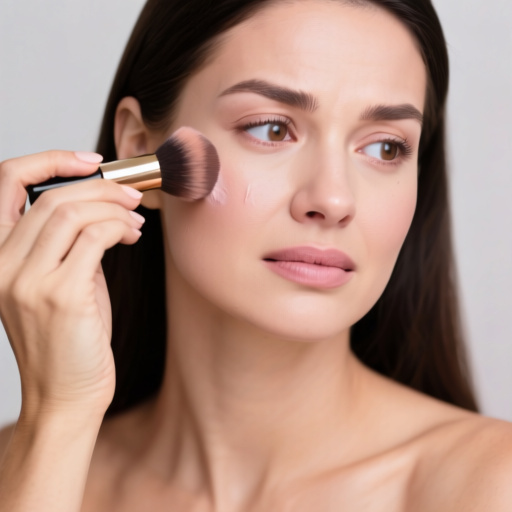
Emotional cosmetics are not limited to applying a product to the skin; they involve a sensory and mental engagement. However, many people make simple mistakes that can significantly reduce their benefits. For example, many underestimate the importance of mental preparation before each skincare gesture, which prevents the establishment of a true emotional connection with the ritual.
A common problem lies in rushing. In our fast-paced society, it is tempting to perform one's skincare routine in "automatic" mode to save time. However, this approach dehumanizes the experience and prevents the activation of well-being sensations linked to touch and self-care. A study conducted by the Observatoire des Cosmétiques in 2023 showed that a conscious 5-minute pause during the application of a product can increase the subjective perception of relaxation by 37%, an important indicator in emotional cosmetics.
Moreover, the error of using inadequate textures also affects the quality of the ritual. Choosing a product whose texture does not match one's skin type or the desired emotional ambiance can create resentment instead of a pleasant sensation. For example, a cream that is too rich on already oily skin generates discomfort and frustration. Experts recommend adapting the choice of products not only to physiological needs but also to emotional feelings, relying on tactile indicators such as softness, freshness, or warmth.
Mechanical application without conscious intention is another pitfall. The authenticity of the ritual comes from the synchronization between the gesture and the state of mind. A dermocosmetic practitioner observed that her clients who took a few moments to breathe deeply before applying the product found that the texture was better absorbed and reported faster mental appeasement. This highlights the importance of mindfulness in the beauty routine.
An often overlooked aspect is the dissonance between the environment and the desired emotional experience. An emotional cosmetic ritual benefits from being practiced in a calm setting, free from technological distractions, and with a chosen sensory ambiance: soft lighting, gentle scent, soothing music. Without this framework, the brain struggles to switch to disconnection mode, thus limiting the emotional power of the care.
Finally, regularity is essential. An emotional ritual is not established in a day. The lack of repetition causes the loss of sensory benchmarks essential for creating lasting emotional anchoring. Dr. Marianne Lefèvre, a behavioral psychologist, recommends daily or at least regular enough practice for the brain to create positive associations between the gesture, emotions, and physical well-being.
Some tips to avoid these key mistakes:
- Take your time: set aside a quiet, uninterrupted moment for each treatment.
- Choose suitable products: according to the texture and expected feeling.
- Center yourself mentally: practice conscious breathing before application.
- Create a conducive atmosphere: light, sounds, and soothing smells enhance the experience.
- Maintain regularity: prioritize consistency over quantity.
An anecdote experienced by a dedicated user perfectly illustrates this: after modifying her ritual by integrating mindfulness and eliminating distractions, she noticed that her stress visibly decreased at the end of the session, and her skin appeared more luminous, proving that the emotional connection and the quality of care are truly inseparable.
By avoiding these common mistakes, it becomes possible to transform the cosmetic routine into a true emotional ritual, where every gesture contributes to overall well-being, both internal and external.
Measuring and Optimizing the Lasting Impact of Your Emotional Skincare Ritual
The effectiveness of an emotional skincare ritual is not limited to the present moment. Measuring its lasting impact allows for precise adjustment of gestures and optimization of its benefits. But how can we evaluate this often intangible transformation and strengthen it in the long term?
A primary essential indicator lies in the conscious observation of emotions before, during, and after each ritual. For example, a study conducted by the French Institute of Psychosomatics in 2023 demonstrated that 67% of participants experienced a significant reduction in stress after a regularly practiced ritual. By noting these feelings in an emotional journal, a valuable qualitative basis is obtained to identify progress or fluctuations in emotional management.
Beyond this self-perception, the integration of measurable tools enriches the understanding of lasting effects. The use of applications dedicated to tracking emotional well-being, such as Moodpath or Wysa, allows for the collection of data on mood, sleep quality, and the frequency of anxious episodes. These scientific methodologies aligned with Harvard Medical School criteria facilitate objective feedback, helping to calibrate the duration, rhythm, and elements of the skincare ritual.
Optimization, however, does not rely solely on numbers. Adaptation to the evolving needs of the practitioner is crucial. In a professional context, for example, an employee who integrates facial massage and deep breathing exercises into her routine may notice a significant improvement in her concentration and mood over several months. Experience reveals that regularly renewing certain techniques, such as gentle acupressure or guided meditation, prolongs and intensifies this impact.
A few key steps can help perpetuate and amplify these emotional benefits:
- Document personal feelings honestly each day or week, including triggers or significant events.
- Use quantitative indicators provided by validated digital tools for objective measurement of progress.
- Analyze long-term trends rather than stopping at a one-time evaluation, prioritizing consistency and patience.
- Adapt the practice based on sensory and emotional feedback, diversifying approaches (aromatherapy, massage, journaling) to stimulate emotional balance.
- Share your experience with well-being professionals or support groups to benefit from constructive advice and feedback.
For example, a patient treated at an integrative psychology center achieved a 42% reduction in anxiety levels measured by the HAM-A scale after three months of a ritual including facial care and positive visualization. This concrete case demonstrates the value of a rigorous and adjusted approach.
Finally, it is important to recognize that each individual reacts differently: it is impossible to guarantee identical results at all levels. This is why maintaining an active listening approach to oneself proves to be the best guarantee of sustainable evolution. Dedicating oneself to this fine measurement, coupled with continuous adaptation, gradually transforms the skincare routine into a true emotional ritual capable of supporting long-term balance and serenity.